
Exploring the psychological triggers behind gambling behaviors
The allure of risk-taking
The thrill of risk-taking is a significant psychological driver behind gambling behaviors. Many individuals are attracted to the uncertainty and excitement that comes with the possibility of winning. This sensation is akin to an adrenaline rush, which can be highly addictive. People often seek out activities that provide a break from their mundane routines, and Senseizino casino in United Kingdom offers a unique escape into a world of chance and anticipation.
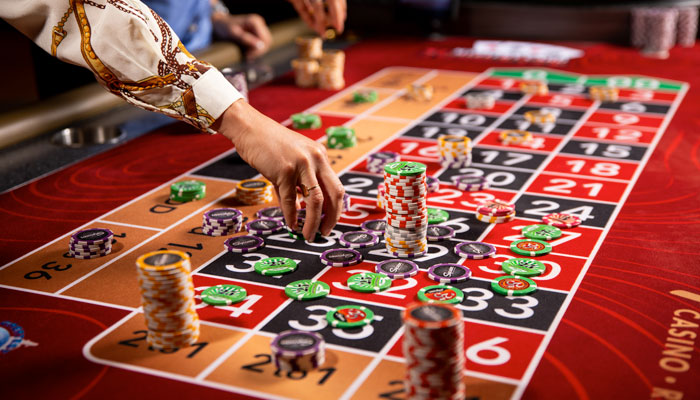
This desire for risk can be linked to the brain’s reward system. When a person wins, the brain releases dopamine, creating feelings of pleasure and satisfaction. This reinforcement encourages repeat behavior, leading players to chase that next high. Over time, this can develop into problematic gambling as individuals prioritize the thrill over the potential consequences.
Social influences and peer pressure
Social dynamics play a crucial role in shaping gambling behaviors. Many individuals are introduced to gambling through friends or family, creating an environment where such activities are normalized. Social events centered around gambling, such as casino nights or sports betting gatherings, further reinforce these behaviors. The desire to belong can lead individuals to engage in gambling even when it doesn’t align with their personal values.
Moreover, the stigma associated with gambling addiction often keeps individuals from seeking help. Those who may struggle with their gambling habits may feel pressured to maintain a facade of control, fearing judgment from their peers. This can create a cycle of secrecy and shame, making it even more difficult to break free from compulsive gambling patterns.
Cognitive biases in gambling decisions
Cognitive biases significantly influence how individuals approach gambling. The illusion of control is a common bias, where players believe that they can influence outcomes through their actions. This misconception can lead to excessive gambling as individuals continuously bet, convinced that they have a strategy or a “lucky” method that will lead to success.
Additionally, gamblers often fall prey to the gambler’s fallacy, where they misinterpret random sequences of events. For example, after a series of losses, a player may believe that a win is “due,” which fuels further gambling. These cognitive distortions can distort judgment and reinforce a cycle of chasing losses, deepening the psychological hold of gambling.
The role of emotional states
Emotions significantly impact gambling behaviors. Many individuals turn to gambling as a way to cope with stress, anxiety, or depression. The temporary escape provided by gambling can give relief from negative emotions, albeit fleetingly. Unfortunately, this can lead to a reliance on gambling as a primary coping mechanism, further entrenching individuals in their habits.
Conversely, positive emotions can also trigger gambling behaviors. A celebratory mood may lead someone to gamble more, viewing it as an enhancement to their enjoyment. This emotional rollercoaster can create a volatile relationship with gambling, where individuals oscillate between using it as a form of escape and a source of added excitement.

Discovering a safe gambling experience with Senseizino
Understanding the psychological triggers behind gambling is essential for promoting healthier gaming habits. Platforms like Senseizino Casino strive to provide a secure and responsible gambling environment for users. By offering a diverse range of games and emphasizing player safety, Senseizino aims to balance the thrill of gambling with responsible gaming practices.
The site’s commitment to transparency and player support creates a space where individuals can enjoy their favorite games without the risk of falling into harmful patterns. With ongoing promotions and a welcoming atmosphere, Senseizino Casino invites players to explore the exciting world of online gaming while prioritizing their well-being.