
Understanding Luck in Gambling Context
Luck is often characterized as a random chance that affects outcomes in various areas of life, and gambling is no exception. Many players enter gaming establishments with the belief that luck will determine their success. This notion is deeply rooted in the psychological aspect of gambling, where the anticipation of winning can greatly influence a player’s mindset and decisions. In the realm of gaming, particularly at an online casino , regardless of strategies employed, the element of luck remains a crucial factor in determining the outcome of games that rely heavily on chance.
Moreover, different gambling games offer varying levels of skill versus luck balance. For instance, poker requires skill and strategy to outwit opponents, while slot machines are entirely chance-based. Understanding this distinction can shape a gambler’s expectations and approach to the game. While some may attribute their wins or losses to luck, others might focus on honing their skills to maximize potential success. Thus, defining luck in the context of gambling can lead to different strategies and mindsets among players.
Luck’s impact on gambling success can also be seen in the frequent occurrence of “hot” and “cold” streaks. Players often share stories of times when luck was on their side, enhancing the gambling experience. These narratives can perpetuate the belief that certain strategies or rituals may influence one’s luck, leading to a phenomenon known as gambler’s fallacy. Understanding these psychological behaviors helps in deciphering how luck and personal belief intersect within the gambling landscape.
The Role of Skill vs. Luck in Gambling Games
In the world of gambling, the balance between skill and luck varies significantly from game to game. For instance, in games like poker or blackjack, players can apply strategies, read opponents, and make calculated decisions based on probabilities. This skill-based approach allows seasoned gamblers to leverage their understanding of the game to gain an advantage, even when luck occasionally breaks against them. On the other hand, completely luck-driven games like roulette offer no scope for skill application, making the player’s faith in luck more prominent.
Players often engage in discussions regarding “skill edge” in games where strategy plays a significant role. However, while skill can increase the likelihood of winning, it cannot guarantee success. Even the most skilled players can experience losses due to adverse luck during any given session. The reality of gambling is that one can be well-prepared and knowledgeable, yet outcomes can still hinge on the unpredictable nature of luck.
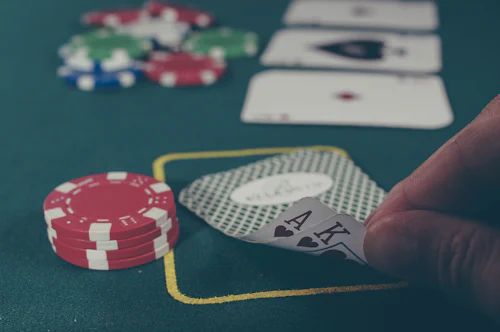
Furthermore, the concept of return to player (RTP) percentages sheds light on how luck affects gambling outcomes. Each game has an RTP, reflecting the amount a player can expect to win back over time. Casinos design these games with varying RTPs to attract different types of players. This statistical framework reveals the importance of understanding both the skill elements and the inherent luck involved, guiding players to make informed choices when betting.
Psychological Aspects of Luck in Gambling
The psychological relationship between gamblers and luck can be profound. Many gamblers develop rituals or superstitions in hopes of enhancing their luck. These behaviors are often fueled by the desire to exert some control over an inherently random situation. Whether it’s wearing a lucky shirt or choosing particular numbers, these rituals can provide comfort and boost confidence, even if they have no real effect on the outcome. This aspect of gambling highlights how our belief in luck can shape our experiences and decisions.
Moreover, the phenomenon of “confirmation bias” plays a significant role in how gamblers perceive luck. Players often remember their wins and disregard their losses, reinforcing the belief that luck influences their success. This selective memory can lead to increased gambling, as individuals seek to replicate their lucky experiences. Such psychological tendencies can create a slippery slope, where occasional luck can lead to overconfidence and poor decision-making in the long run.
The emotional rollercoaster of gambling can further complicate the relationship with luck. The highs of a significant win can create an illusion of skill, while losses can lead to a quest for the next lucky streak. This emotional state can cloud judgment and lead to chasing losses, which is a common pitfall for many gamblers. Understanding these psychological factors is essential for anyone involved in gambling, as they can significantly influence behavior and outcomes.
The Influence of Mathematics on Luck and Gambling
While luck plays a significant role in gambling, mathematics is the backbone underpinning many game outcomes. Probability theory helps players understand the odds of winning in various games, thus shaping their expectations and strategies. Mathematical models can predict outcomes based on historical data, making it possible to gauge how luck may influence a given session. By analyzing these statistics, players can make informed decisions rather than purely relying on luck.

The concept of variance in gambling is another critical mathematical aspect. Variance refers to the fluctuations in winnings and losses over time. High variance games can lead to significant swings, where luck can dominate in the short term but normalize in the long term. Recognizing how variance and luck interplay helps gamblers manage their bankroll and expectations, allowing for a more calculated approach to gambling. This understanding encourages players to balance their focus between luck and the mathematical elements at play.
Furthermore, game designers often employ random number generators (RNGs) to ensure fair play and unpredictability in outcomes. This technology emphasizes the role of luck in determining results while ensuring a fair playing field. Understanding how RNGs work might help demystify the notion of luck for players, allowing them to recognize that while the element of chance exists, there are underlying mathematical principles that govern every game’s results.
Final Thoughts on Luck and Gambling Success
In conclusion, while luck undeniably plays a significant role in the world of gambling, it is intertwined with skill, psychology, and mathematics. Gamblers must navigate through their belief in luck, balancing it with strategy and understanding the inherent risks involved in various games. Whether players choose to rely on their skills or indulge in the notion of lucky charms, awareness of their behavior and decision-making processes can lead to more informed gambling choices.
Moreover, recognizing that luck can fluctuate and is not entirely within one’s control can help gamblers establish healthier relationships with their gaming habits. This balance between skill and chance is essential, as it allows players to enjoy the entertainment aspect of gambling while minimizing potential negative consequences. Ultimately, while luck may favor some players in the short term, a thoughtful approach that encompasses all elements can lead to a more sustainable and enjoyable gambling experience.
As you explore the world of gambling, remember that understanding the interplay between luck and skill can enhance your overall experience. Engage with the games that intrigue you, cultivate your skills, and remain aware of the psychological factors at play. With the right mindset and knowledge, you can navigate the exciting landscape of gambling while making choices that suit your personal style and preferences.