
The allure of chance
The thrill of chance is a powerful force that attracts many individuals to gambling activities. The unpredictable nature of outcomes creates an adrenaline rush that is exhilarating for players. This sensation is comparable to the excitement experienced in extreme sports or adventurous activities, where risk is an integral part of the experience. People often seek these moments of thrill as an escape from the mundanity of everyday life, immersing themselves in a world where luck dictates success, such as at the best online casino australia , where the excitement keeps players coming back. This draw towards uncertainty serves as a primary motivator for many gamblers, pushing them to engage repeatedly in the hopes of striking it rich.
Moreover, the element of uncertainty is not just thrilling; it is also highly stimulating for the human brain. Neuroscientific studies have shown that the anticipation of a potential win triggers the release of dopamine, a neurotransmitter linked to pleasure and reward. This biochemical response enhances mood and reinforces the desire to continue playing. For many individuals, the hope of hitting a jackpot or enjoying an unexpected win feeds into a cycle of gambling as they chase the high associated with the possibility of success. The allure of chance is not merely about winning money; it is about the emotional highs that accompany the experience of gambling.
Additionally, the social aspect of gambling plays a significant role in its allure. Many individuals gravitate toward gaming establishments not only for the games themselves but also for the communal atmosphere they provide. Sharing the thrill of potential wins with friends and strangers can amplify excitement and foster a sense of belonging. This social engagement encourages participation as individuals seek out shared experiences. Understanding the interplay between chance, excitement, and social dynamics is crucial in comprehending why gambling captivates so many people, making it a multifaceted phenomenon that extends beyond mere financial incentive.
The psychological triggers
Several psychological triggers contribute to the compulsive nature of gambling, making it a unique and complex behavior. Cognitive biases, such as the illusion of control, lead individuals to believe they can influence outcomes, even when the results are purely random. For example, a player might feel that by using a specific strategy or following a lucky charm, they can sway the odds in their favor. This misguided belief can heighten engagement, creating a false sense of security that encourages continued participation. The psychology of perceived control can be a driving force behind many players’ decisions to gamble, leading them to invest more time and money than they initially intended.
Moreover, the concept of loss aversion plays a critical role in gambling behavior. Research indicates that the pain of losing is often felt more intensely than the pleasure derived from winning. As a result, gamblers may chase their losses, convinced that returning to the game will allow them to recover what they have lost. This behavior can lead to escalating bets and prolonged gambling sessions, as individuals strive to rectify perceived wrongs. Understanding these psychological triggers is essential to grasping the complexities of the gambling experience and the ways in which they can lead to problematic behavior.
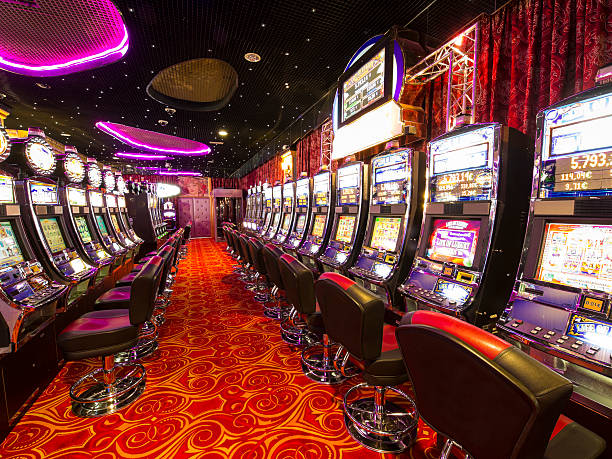
Additionally, the design of gambling environments is intentionally crafted to stimulate and engage players. Colorful lights, enticing sounds, and the layout of gaming machines are all strategically devised to create an inviting and thrilling atmosphere. These sensory elements keep players immersed in the experience, manipulating their emotions to encourage longer playtimes. The reflection of psychological principles in casino design highlights how effectively the industry capitalizes on human behavior to foster continued participation. By creating an environment that maximizes excitement and engagement, gambling establishments can enhance player retention and encourage repeated visits.
Emotion and escapism
For many individuals, gambling serves as an emotional outlet and a means of escape from life’s pressures. The stresses of daily life can lead individuals to seek solace in gaming activities, where the distractions offered provide temporary relief. This therapeutic aspect of gambling is often sought by those grappling with anxiety, depression, or other emotional challenges, who find comfort in the possibility of a better outcome through chance. The act of playing can divert attention away from personal issues, allowing individuals to immerse themselves in a different reality, if only for a brief moment.
However, this reliance on gambling as an emotional escape can become problematic, leading to a cycle of dependency. As individuals seek to replicate the euphoric feelings associated with gambling, they may find themselves trapped in a pattern of compulsive play. This cycle can have devastating consequences, affecting personal relationships, finances, and mental health. Understanding the emotional motivations behind gambling is vital for addressing potential problem gambling behaviors and encouraging healthier coping mechanisms. Recognizing when gambling shifts from a form of entertainment to an escape is essential for maintaining a balanced lifestyle.
Furthermore, the portrayal of gambling in media can enhance its allure as a means of escape. Stories of big wins or transformative experiences shared through various platforms often romanticize the lifestyle associated with gambling, painting a picture of lavish winnings and excitement. This glamorization can entice individuals to view gambling as a viable means of improving their circumstances, regardless of the inherent risks involved. By recognizing these influences, individuals can make more informed choices and gain a better understanding of the underlying motivations driving their gambling activities.
The role of routine
Rituals and routines play a significant role in the gambling experience, with many individuals developing specific habits around their gaming sessions. These rituals can range from the selection of lucky numbers to the process of settling into a particular gaming table. Such routines provide a sense of control and comfort, often allowing individuals to feel more connected to the experience. The establishment of these habits can further reinforce gambling behavior, making it a habitual part of their lives and creating an emotional attachment to the act of playing.

Moreover, the environment in which gambling occurs can influence the development of these routines. Frequent visitors to casinos may find themselves drawn to specific areas or machines they believe bring them luck. This psychological tendency to associate luck with particular locations or items is known as superstitious behavior. Such patterns can enhance the gaming experience, creating deeper emotional connections to the activity. Over time, these habits can solidify a gambler’s relationship with gambling, making the act increasingly ingrained in their daily routine.
As these routines become entrenched, they can also contribute to a desensitization towards losses. Gamblers may become so accustomed to the process that they overlook the implications of losing money. This detachment can lead to further gambling activity, as losses become merely part of the ritual rather than a deterrent. Understanding the significance of routine in gambling behavior can aid in recognizing when such actions become problematic, providing opportunities for intervention and support. By addressing these habitual behaviors, individuals can begin to reclaim control over their gambling practices.
Understanding gambling through research
Numerous studies explore the psychological aspects of gambling, aiming to unearth the intricacies of why individuals engage in such activities. Researchers delve into behavioral patterns, motivations, and socio-economic factors that influence gambling decisions. By examining diverse demographics, these studies offer valuable insights into the nuances of gambling behavior, informing prevention and treatment strategies. This research is essential for developing resources aimed at educating individuals about responsible gambling practices and recognizing when behaviors may become harmful.
Furthermore, understanding the psychological underpinnings of gambling can lead to more effective therapeutic approaches for those struggling with gambling addiction. Cognitive-behavioral therapy, for instance, focuses on changing distorted thinking patterns associated with gambling, helping individuals regain control over their impulses. Equipping treatment professionals with knowledge about the motivations behind gambling allows them to tailor their approaches to meet individual needs more effectively. As research continues to advance, so too does our understanding of how to assist those impacted by gambling.
For individuals interested in exploring the psychological intricacies of gambling, numerous online platforms and resources offer research-based insights, educational articles, and supportive communities. This wealth of information can empower gamblers to make informed decisions and recognize when their activities may be crossing into problematic territory. By taking the time to understand the psychology of gambling, individuals can foster healthier relationships with gaming and promote responsible play habits, ensuring that their experiences remain enjoyable and safe.